Understanding What’s Out There So You Can Choose What Works
TL;DR: Different Types of Affiliate Marketing Programs
Affiliate programs come in all shapes and sizes, but the best ones align with your content and your audience’s needs. From pay-per-sale to recurring commissions, understanding how each type works helps you choose the right fit for your goals. I personally stick with straightforward, value-based programs like those in the pet niche that reward helpful content, not recruiting.
Summarize This Content With AI
Affiliate marketing is often painted with a broad brush. Something like post a link, make money. But anyone who’s tried it knows that the kind of program you join makes a huge difference in how (and how much) you earn.
Especially in a niche like pets, where your audience has specific needs and emotional investment, choosing the right affiliate program structure matters more than you think.
So let’s quickly break down the 6 main Types Of Affiliate Marketing Programs and how they work so you can match them to your content, audience, and business goals to optimize your earnings.
Article Overview
If you’re exploring affiliate marketing seriously, it’s important to understand the different types of affiliate program structures. Not every program pays the same way, and how you earn can impact your strategy, content style, and long-term success.
In this article, you’ll learn about six of the most common affiliate marketing models, including how they work and when they make sense for your business. I’ll also share my personal take as someone who focuses on pet-related affiliate content and prefers programs that reward consistency and value, not hype or hard sales.
Here’s what we’ll cover:
- Pay-Per-Sale (PPS) Affiliate Programs – You earn a commission when someone makes a purchase through your affiliate link.
- Pay-Per-Click (PPC) Affiliate Programs – You get paid when someone simply clicks your link, regardless of whether they buy.
- Pay-Per-Lead (PPL) Affiliate Programs – You earn commissions when someone completes an action like filling out a form or signing up for a free trial.
- Two-Tier Affiliate Programs – You earn from your own referrals and a percentage from people your referrals bring in.
- Lifetime or Recurring Commission Programs – You keep earning from the same customer for every renewal or subscription payment.
- Influencer or Ambassador Programs – These often include affiliate perks plus added benefits like brand collaborations and content features.
Whether you’re brand new or refining your affiliate income streams, this breakdown will help you decide which types of programs are worth your time, and which to skip.
Want to cut straight to better earnings and see the top 10 Affiliate Programs the I recommend for the pet niche? Click the button to learn more.
6 Different Types of Affiliate Marketing Programs
1. Pay-Per-Sale (PPS) Affiliate Programs
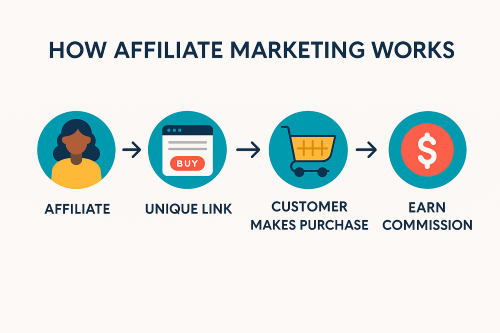
This is the most common and widely recognized type. You earn a commission when someone buys a product through your link.
How it works:
You recommend a product or service. If someone clicks your link and makes a purchase, you earn a percentage of the sale, anywhere from 3% to 50% or more depending on the company.
My take:
Most of the programs I use in the pet niche fall into this category. From outdoor cat enclosures to cat enrichment items, I focus on products that solve real problems for pet parents. These kinds of recommendations naturally lead to sales because people are already looking for solutions.
Best for:
- Bloggers and YouTubers who review or demonstrate products
- Pet influencers who share daily routines
- Anyone building niche content over time
2. Pay-Per-Click (PPC) Affiliate Programs
You earn money every time someone clicks your affiliate link, regardless of whether they buy anything.
How it works:
You send traffic to a site, and they pay you based on clicks alone. These are less common and usually offer lower payouts.
My take:
I don’t use PPC programs much because they don’t usually align with how I serve my audience. My goal is to build trust and promote useful pet products, not chase clicks. However, if you run a high-traffic website with lots of comparison content, this might be worth testing.
Best for:
- High-traffic blogs
- Content focused more on curiosity than conversions
3. Pay-Per-Lead (PPL) Affiliate Programs
You earn a commission when someone signs up or completes a specific action (like filling out a form).
How it works:
Instead of earning on a sale, you get paid when someone completes a non-purchase action. This could include newsletter signups, trial account creations, or quote requests.
My take:
I use PPL programs selectively, especially when sharing helpful tools or services for fellow pet bloggers or content creators. For example, if I mention a platform that helps manage affiliate links or create product roundups, and someone signs up through my link, even for a free account, I may earn a small commission.
Best for:
- Email marketers
- Review sites for digital tools or apps
- Pet business blogs recommending software or services
4. Two-Tier Affiliate Programs
You earn commission not only on your own referrals, but also on referrals made by the affiliates you recruit.
How it works:
You become an affiliate, and if you refer someone else to the program who also becomes an affiliate, you earn a portion of what they earn.
My take:
While this model might seem appealing, I avoid it because it can lean toward MLM-style structures that typically don’t make the best money online. For most creators and pet niche affiliates, it adds unnecessary complexity and takes the focus away from creating valuable content and helping your audience.
Best for:
- Coaches, mentors, or creators who teach affiliate marketing
- Anyone running a community or education-based platform
5. Lifetime or Recurring Commission Programs

You earn ongoing commissions as long as your referral remains a customer.
How it works:
These programs pay you a recurring percentage of the customer’s subscription for as long as they remain active. Think monthly dog food deliveries, pet subscription boxes, or digital tools with subscription pricing.
My take:
I’m a huge fan of recurring income because it makes your effort snowball over time. It’s especially great when you’re promoting high-value tools or memberships that genuinely benefit your audience.
Best for:
- Creators focusing on sustainability and long-term income
- Pet bloggers reviewing subscription products or memberships
- Anyone creating evergreen content with links that stay relevant
6. Influencer or Ambassador Programs
These are hybrid affiliate programs that pay you for reach, engagement, and sometimes a flat fee + affiliate commissions.
How it works:
You promote a product on social media and earn commissions or bonuses based on performance. Some also provide perks like free products or flat payouts for a certain number of posts.
My take:
If you’re active on Instagram, YouTube, or TikTok, these are worth exploring. They’re a great way to monetize content like pet hauls, daily routines, or “we tried it” videos.
Best for:
- Social-first creators
- Pet influencers with a loyal following
- Anyone comfortable on camera or in front of their phone
What Type of Program Should You Choose?
It’s not about choosing just one. The magic happens when you match the type of program to the kind of content you’re creating and the people you’re helping.
For instance, if you’re building a site reviewing physical products, a pay-per-sale model works beautifully.
If you’re helping other pet lovers learn affiliate marketing or set up content businesses like I do, a recurring or two-tier model can support both you and your readers.
And if you’re doing all of the above over time? Then layering in multiple program types gives your brand resilience and variety.
FAQ: Different Types of Affiliate Marketing Programs
What’s the easiest type of affiliate program for beginners?
Pay-per-sale (PPS) programs are usually the easiest to understand and start with. You promote a product, someone buys it through your link, and you earn a commission. It’s straightforward, and there are lots of great beginner-friendly programs in niches like pet care, lifestyle, and wellness.
Are recurring commission programs better than one-time payouts?
It depends on your strategy. Recurring programs pay you monthly as long as the customer stays subscribed, which can create stable, long-term income. One-time payouts may be higher upfront, but they don’t build over time. I personally like mixing both, especially in the pet space where subscription products are growing in popularity.
Is there a downside to high-ticket affiliate programs?
High-ticket programs can be rewarding, but they’re usually harder to convert. You’ll often need a more engaged audience or highly targeted content. I recommend starting with mid-ticket or trusted products that solve specific problems, especially if you’re building authority in a niche like pets or family living.
What about two-tier affiliate programs? Are they worth it?
Two-tier programs reward you for referring other affiliates, not just customers. While that might sound appealing, it can start to resemble MLM structures if not done ethically. I don’t use this model myself and recommend focusing on programs that pay you directly for creating value through content.
How do I know which affiliate programs to trust?
Look for transparency, consistent payouts, quality products, and brands that support affiliates with helpful tools. If a program feels overly focused on recruiting, or the product doesn’t feel aligned with your values or audience, it’s probably not the right fit.
Can I join multiple affiliate programs at once?
Yes! In fact, it’s smart to diversify. Just make sure the products you promote align with your niche and your content. I use a mix of programs for different parts of my brand, from blogging tools to pet care, to keep my income streams balanced.
Where can I find quality affiliate programs for pet content?
Affiliate networks like Awin (which now includes ShareASale) and platforms like Amazon Associates offer solid options for pet products. But if you’re serious about building a long-term affiliate business, here are the top 10 Pet Niche Affiliate Programs that I recommend for optimal earnings.
Key Takeaways
- Trustworthy programs support affiliates. Look for platforms that offer resources, transparency, and consistent payments, especially if you’re in it for the long haul.
- Not all affiliate programs are created equal. Understanding the structure, whether it’s pay-per-sale, pay-per-click, or recurring, can help you choose the one that best fits your strategy and audience.
- Choose programs that align with your niche and content style. For example, recurring commissions are great for content that recommends long-term solutions like pet subscription boxes or tools.
- High-ticket programs offer big payouts but require more trust and authority. Don’t start here unless you already have an engaged, targeted audience.
- Avoid models that blur the line with MLM. Two-tier programs can feel overly recruitment-driven. Focus instead on programs that reward content and trust-building.
- Mixing program types can diversify and stabilize your income. Many successful affiliate marketers use a blend of commission structures based on the content they create and the needs of their audience.
- Wealthy Affiliate is a platform that brings everything together in one place. From training and tools to content support, it makes it easier for beginners to get started and stay focused.
Final Thoughts: Make It About More Than The Commission
At the end of the day, your reputation and your readers’ trust are worth more than any single commission.
Affiliate marketing works when you focus on helping real people, like fellow pet lovers, find what they need to care for the animals they love. Your audience will reward you with loyalty, clicks, and yes, sales.
If you’re ready to start building your affiliate brand around the pet niche, or want to scale what you’ve already built, click the button below to explore the same platform I’ve used for over a decade to grow brands around cat trees, outdoor cat safety, and affiliate education.
Thanks for the informative article on the different affiliate marketing programs. You have covered many different niches and products. There are also other factors to consider such as cookie duration and commission rates which for some of the bigger and more well known platforms is very low. Do you have any idea how much the average affiliate marketer makes?
Hi Lyn,
I’m glad you found the article informative! Cookie duration and commission rates can definitely make a big difference, especially with larger programs that tend to have lower payouts.
As for how much the average affiliate marketer makes, it really varies. Some earn a little side income, while others build it into a full-time business.
A beginner might make anywhere from a few dollars to a few hundred per month, while experienced marketers can earn thousands or more. It all depends on niche selection, strategy, consistency, and the effort put in.
Are you just getting started, or have you been in the affiliate space for a while? Would love to hear about your journey!
Best regards,
Marlinda
This article offers a comprehensive breakdown of affiliate marketing programs that really makes you rethink how you approach your niche. I found it fascinating how even small differences like cookie durations and commission structures can fundamentally shift your strategy. It’s a reminder that affiliate marketing isn’t one-size-fits-all; it’s all about aligning the right program with your audience’s needs. I’m curious: what has been your biggest challenge when choosing a program, and how did you overcome it? This piece has certainly sparked some deep reflection on balancing broad appeal with specialized focus.
Hey Dan,
I appreciate your thoughtful insights! It’s true, affiliate marketing is all about strategy, and small details like cookie durations and commission structures can make a big difference.
One of my biggest challenges was avoiding programs that looked great on paper but didn’t truly serve my audience. I overcame this by focusing on relevance first, choosing programs that aligned with my niche and audience’s needs rather than just chasing high commissions.
The result? Better engagement and long-term success.
What’s your current approach to selecting programs? I’d love to hear your thoughts!
Best regards,
Marlinda
A great blog for the inquisitive searcher who’s looking seriously at affiliate marketing for themselves and wondering what the most prominent opportunities are to get a good head-start in. You present a very good summary and comparison of what those opportunities can offer the marketer. As a visitor to your site it will always be a strong recommendation to know that you, the writer, are speaking from 10 years of affiliate marketing experience and you know and understand what the newbie needs to take on board to be successful.
Hi there,
Thank you for your kind words! My goal is always to make affiliate marketing clearer and more accessible for those who are just starting out. After 10 years in the space, I’ve seen firsthand what works, what doesn’t, and how important it is to have the right guidance early on.
If you’re exploring affiliate marketing yourself, I’d love to hear what opportunities interest you most!
Best regards,
Marlinda